|
Sehwan Kim Hello! I am a Ph.D student in Electrical and Computer Engineering at Seoul National University, advised by Jungwoo Lee. Before my doctoral studies, I completed my B.S. in Electrical and Computer Engineering at Seoul National University. From September 2026 to March 2027, I will be a Research Intern at Sony AI in Tokyo, Japan, conducting research on Generative and Protective AI for Content Creation. If you'd like to discuss my work or potential collaborations, feel free to reach out! |
Research (Research Statement)My research focuses on developing robust and trustworthy AI systems. Currently, I am particularly interested in understanding and mitigating memorization in diffusion models, as well as developing unlearning and inference-time mitigation techniques for preventing privacy leakage and NSFW content generation. My past research contributions include:
|
Publications
|
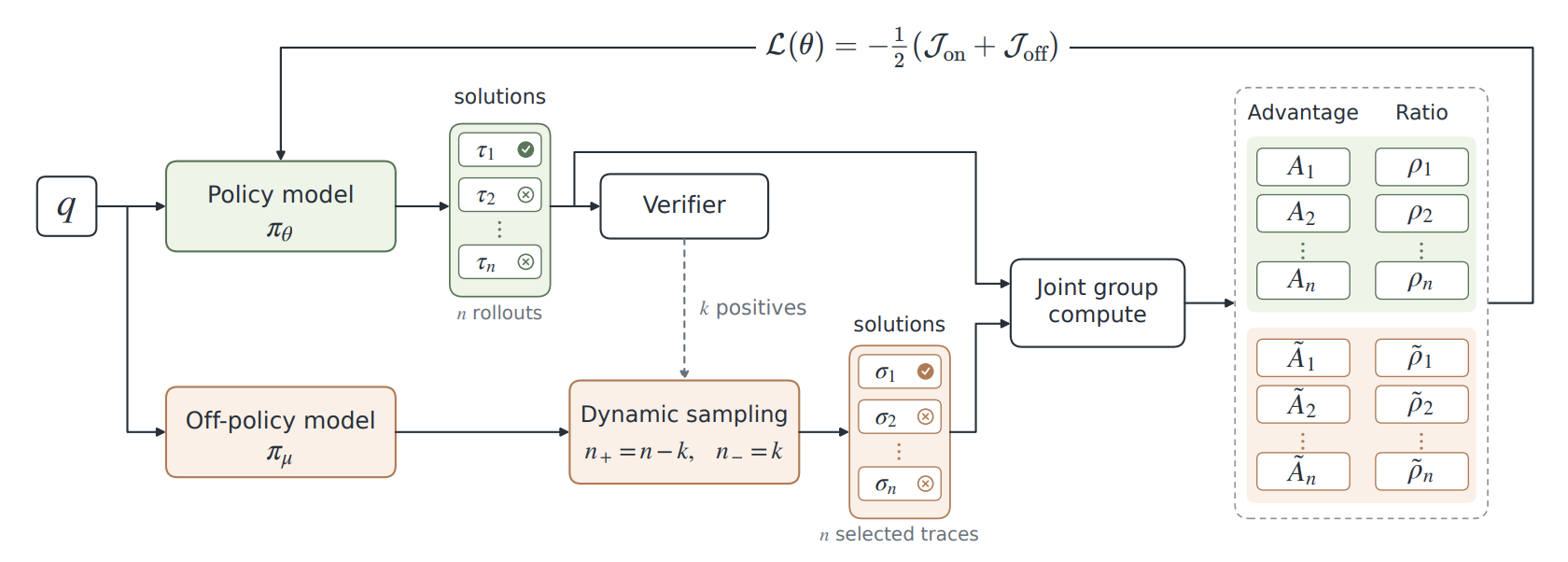
Don’t Filter, Fill: Dynamic Mixed-Policy GRPO for Text-to-SQL
Idris Nechnech, Sehwan Kim, Youssef Ennouri, Jinwoo Koo, Sangwoo Hong, Jungwoo Lee arXiv preprint, 2026 This work explores strategies for improving training stability and execution performance in language-model-based text-to-SQL. |
|
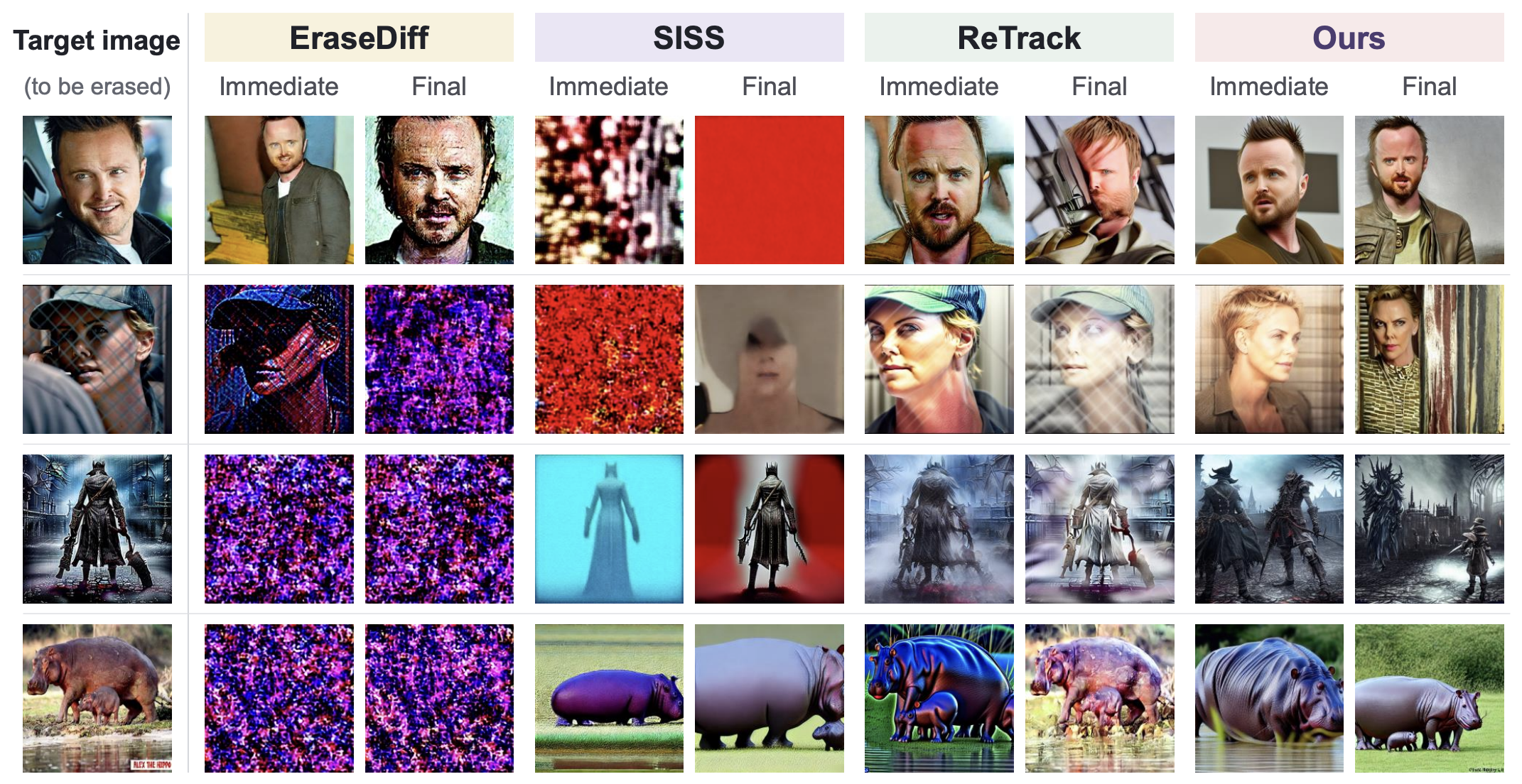
Continual Data Unlearning in Diffusion Models via Transition-based Regularization
Sunbeom Jeong*, Sehwan Kim*, Sangwoo Hong, Jungwoo Lee arXiv preprint, 2026 arXiv This work proposes a continual data unlearning framework that uses transition-based regularization and a fixed-capacity memory bank to preserve earlier deletions while maintaining generative utility across sequential unlearning requests. |
|
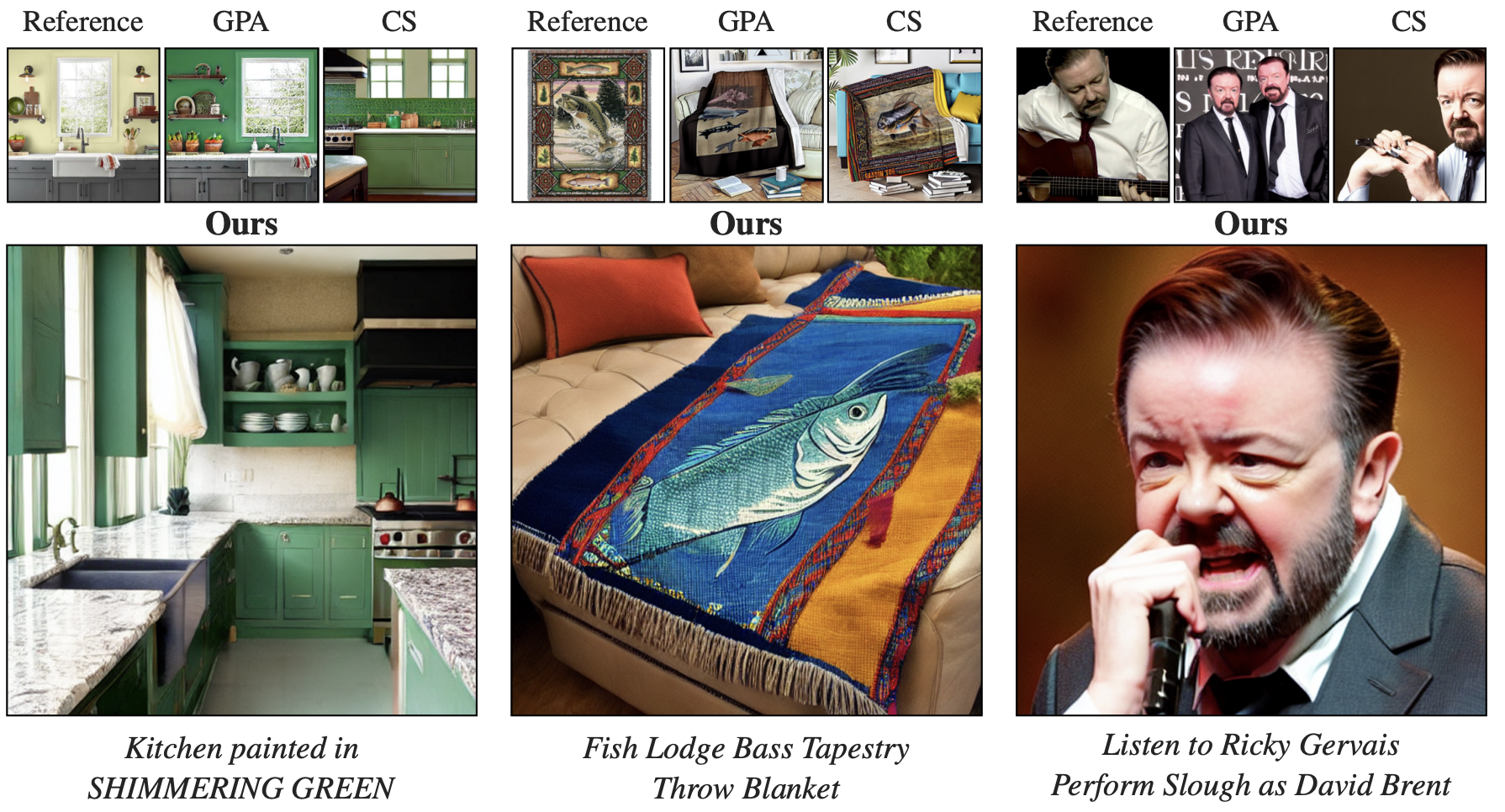
Rethinking Memorization Mitigation in Diffusion Models: Reinforcing Text Conditioning
Hyungjun Joo, Sehwan Kim, Hyeonggeun Han, Sangwoo Hong, Jungwoo Lee arXiv preprint, 2026 arXiv This work proposes a training-free method that combines Gaussian cross-attention smoothing with content-token reinforcement and padding attenuation to mitigate memorization in text-to-image diffusion models while preserving prompt alignment, without additional denoiser evaluations. |
|
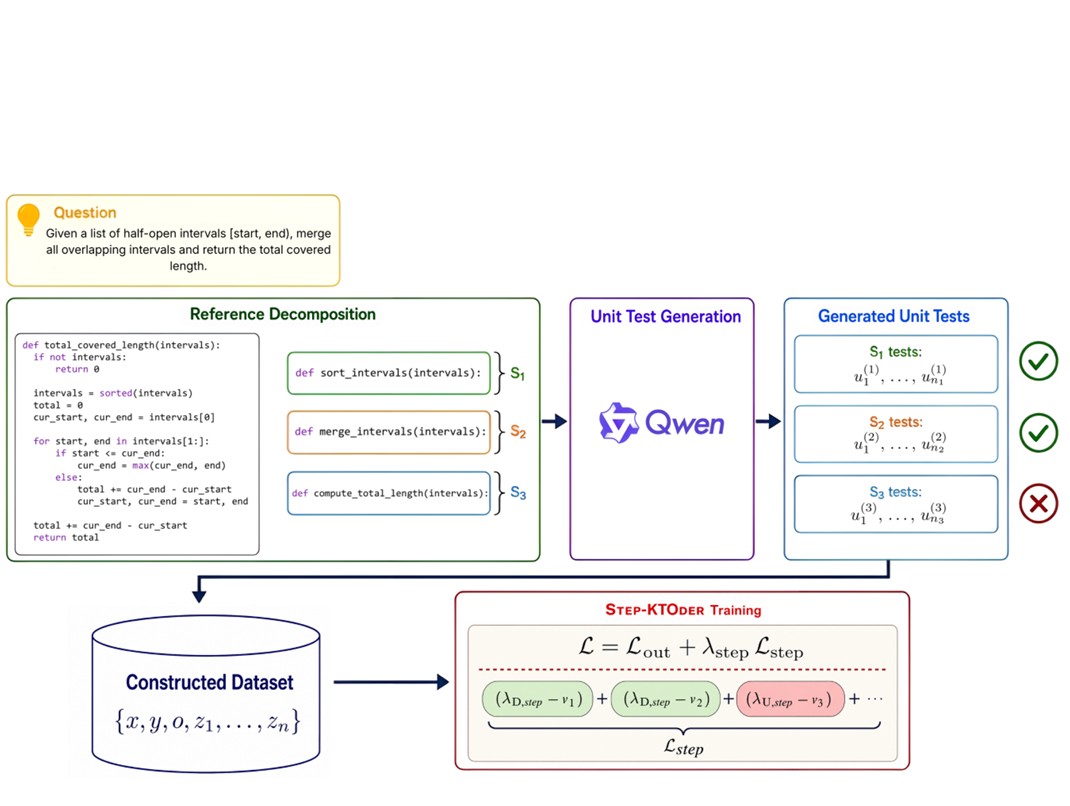
Function-Level Execution Feedback for Code Preference Optimization
Idris Nechnech, Sehwan Kim, Jimin Seo, Yeongoon Kim, Minhae Oh, Sangwoo Hong, Jungwoo Lee EMNLP, 2026 github / arXiv This work proposes STEP-KTODER, which decomposes generated programs into testable functions and combines execution-derived function-level correctness labels with outcome-level KTO to improve code preference optimization. |
|
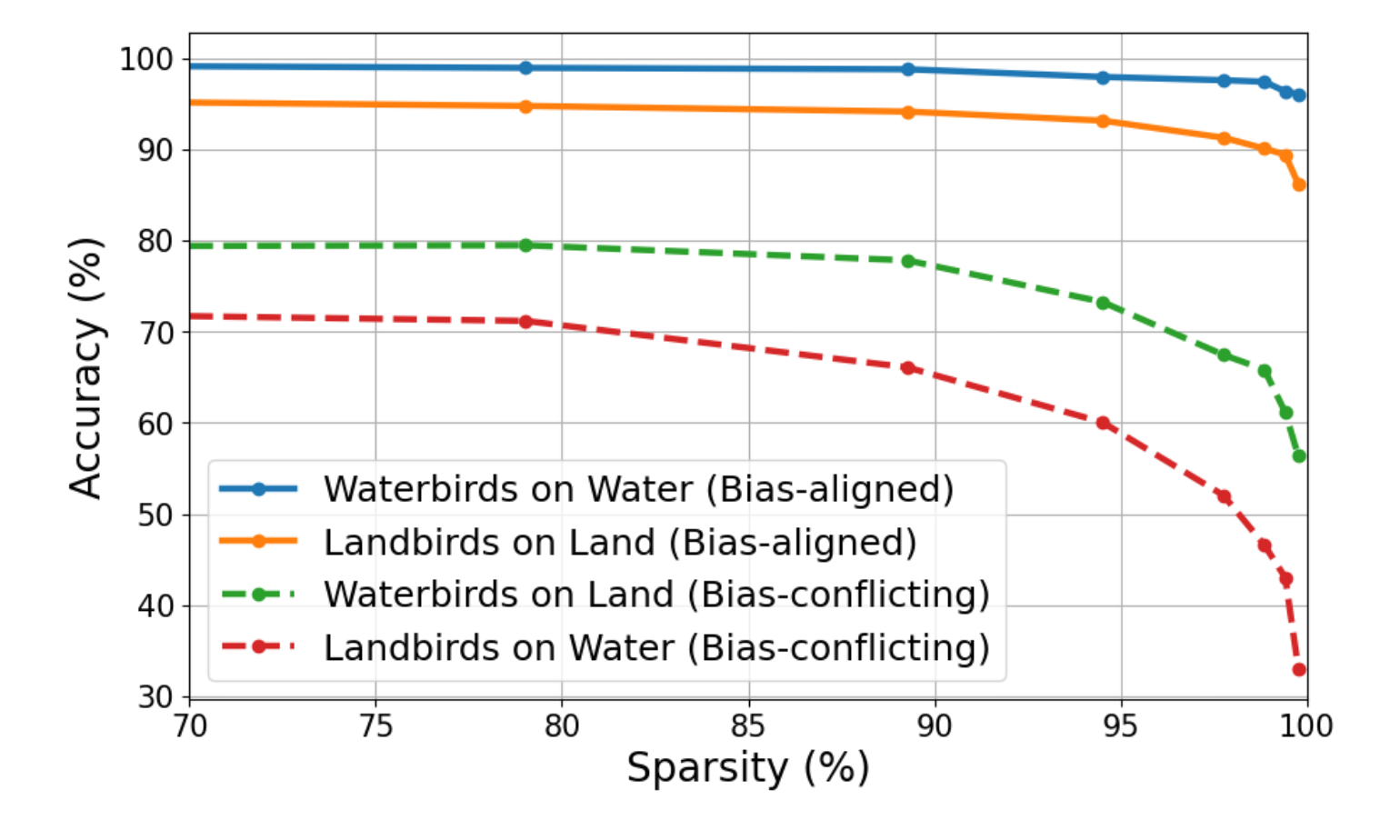
Bias Alleviation Through Network Pruning for Sparse and Debiased Models
Sangwoo Hong*, Sehwan Kim*, Hyungjun Joo, Hyeonggeun Han, Jiyoon Shin, Yoav Wald, Jungwoo Lee IEEE TIP, 2026 arXiv This work proposes leveraging pruning-induced confidence dynamics to identify bias-conflicting samples and train sparse neural networks that mitigate spurious correlations without requiring group annotations. |
|
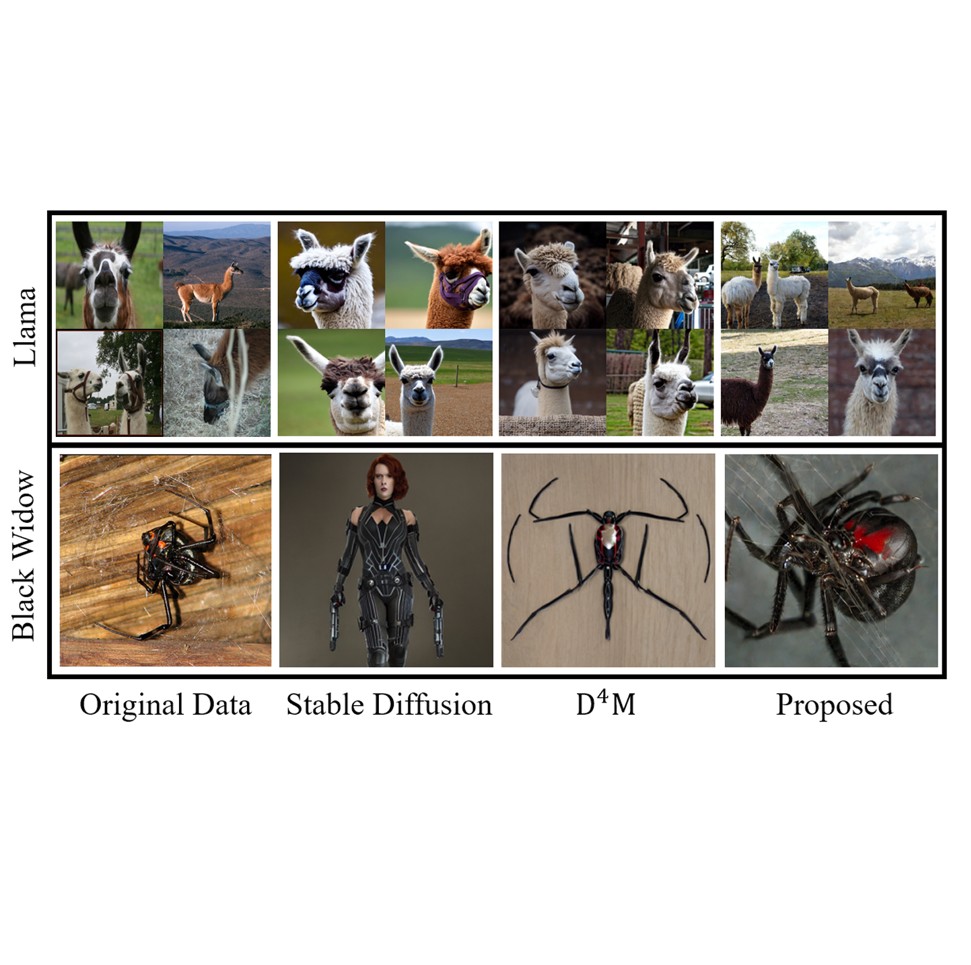
An Adaptive Sampling Framework for Diffusion-based Dataset Distillation with High Fidelity and Diversity
Sunbeom Jeong, Sehwan Kim, Hyeonggeun Han, Hyungjun Joo, Sangwoo Hong, Jungwoo Lee AAAI, 2026 (Oral) github / arXiv This paper introduces a training-free diffusion-based dataset distillation framework that boosts both fidelity and diversity through adaptive sampling and repulsion regularization. |
|
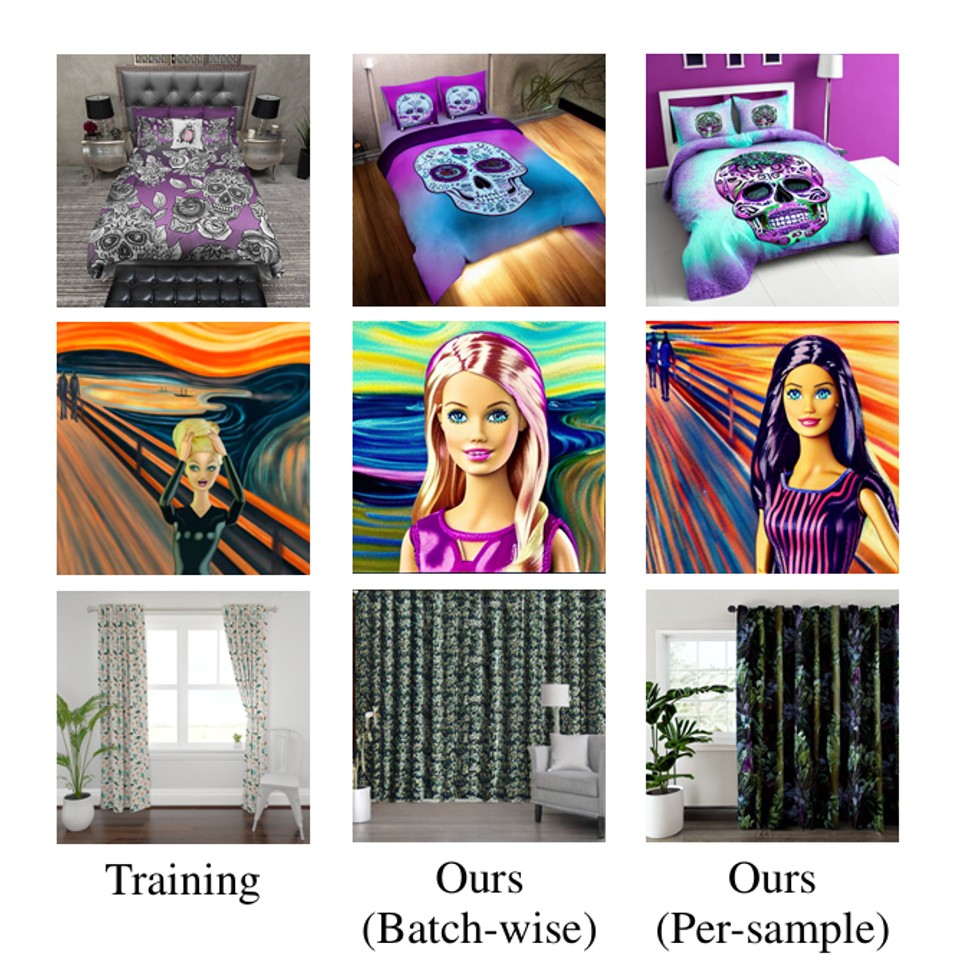
Adjusting Initial Noise to Mitigate Memorization in Text-to-Image Diffusion Models
Hyeonggeun Han*, Sehwan Kim*, Hyungjun Joo, Sangwoo Hong, Jungwoo Lee NeurIPS, 2025 github / arXiv This work proposes adjusting the initial noise sample in text-to-image diffusion models to promote earlier escape from memorization basins, thereby reducing training-data replication while preserving prompt alignment. |
|
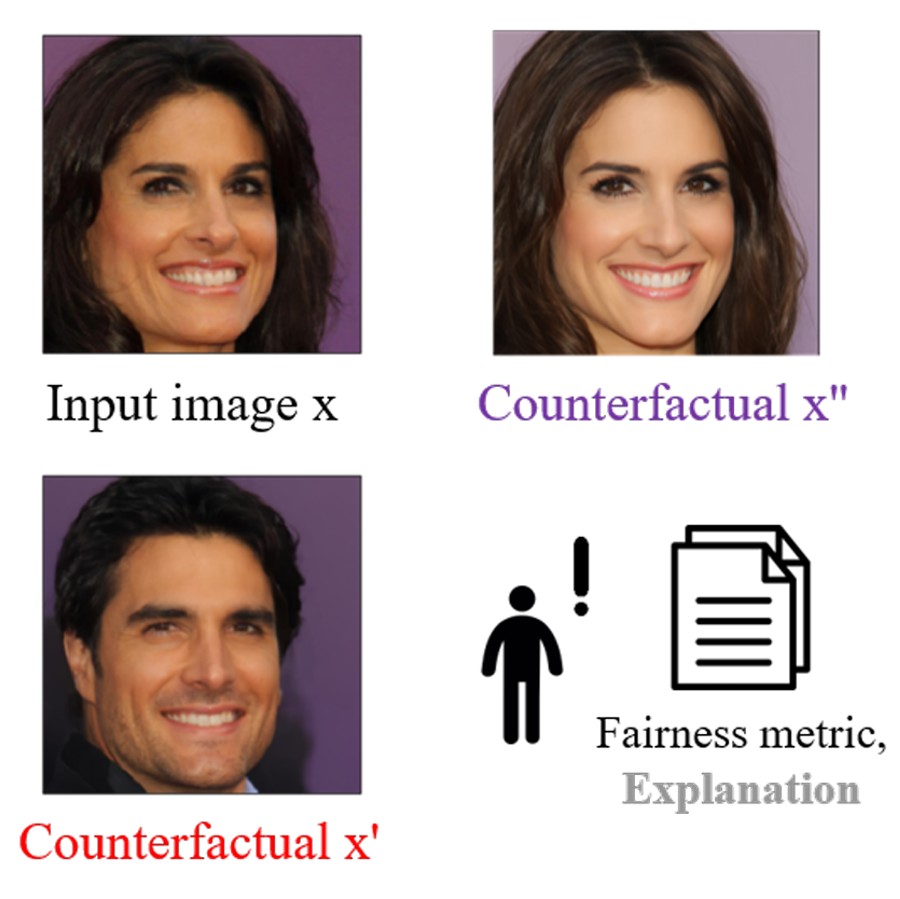
Constructing Fair Latent Space for Intersection of Fairness and Explainability
Hyungjun Joo, Hyeonggeun Han, Sehwan Kim, Sangwoo Hong, Jungwoo Lee AAAI, 2025 arXiv A method is introduced to reshape a pretrained generative model’s latent space into a fair and disentangled representation, enabling counterfactual explanation and improved fairness. |
|
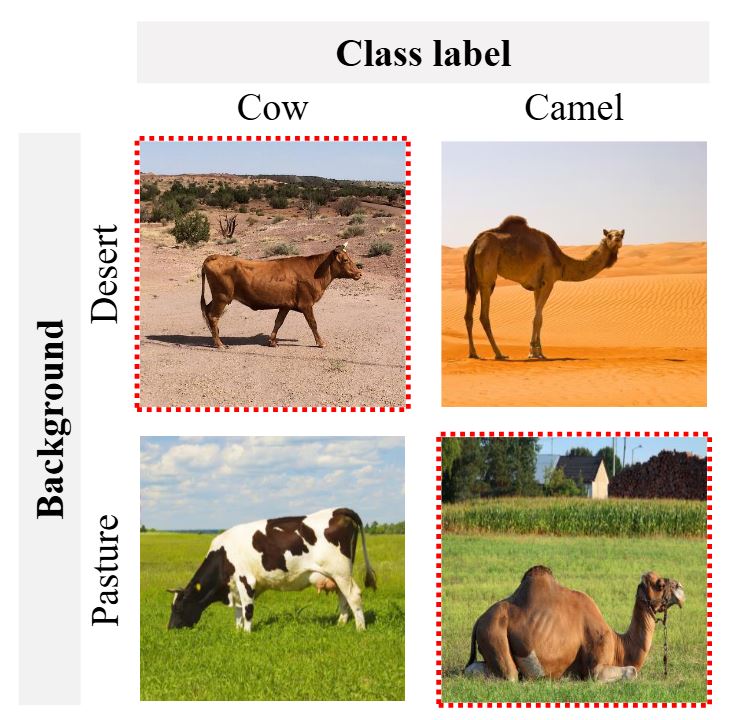
Mitigating Spurious Correlations via Disagreement Probability
Hyeonggeun Han, Sehwan Kim, Hyungjun Joo, Sangwoo Hong, Jungwoo Lee NeurIPS, 2024 github / arXiv This work introduces a bias-label-free debiasing method that upsamples samples with high target–biased-model disagreement to reduce spurious correlation dependence. |
|
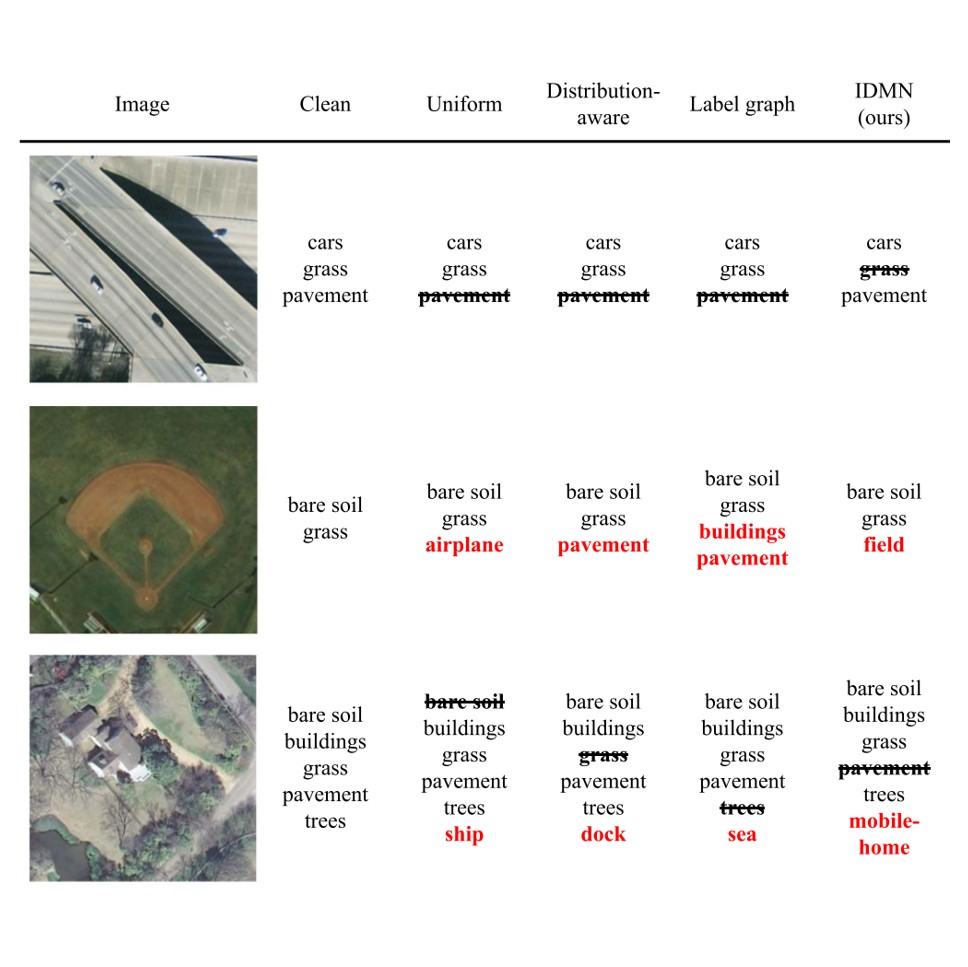
Instance-Dependent Multi-Label Noise Generation for Multi-Label Remote Sensing Image Classification
Youngwook Kim, Sehwan Kim, Youngmin Ro, Jungwoo Lee IEEE JSTARS, 2024 github / arXiv We propose injecting instance-dependent multi-label noise into remote sensing image datasets, creating a more realistic and challenging noise setting. |
|
Template based on Jon Barron's website. |